

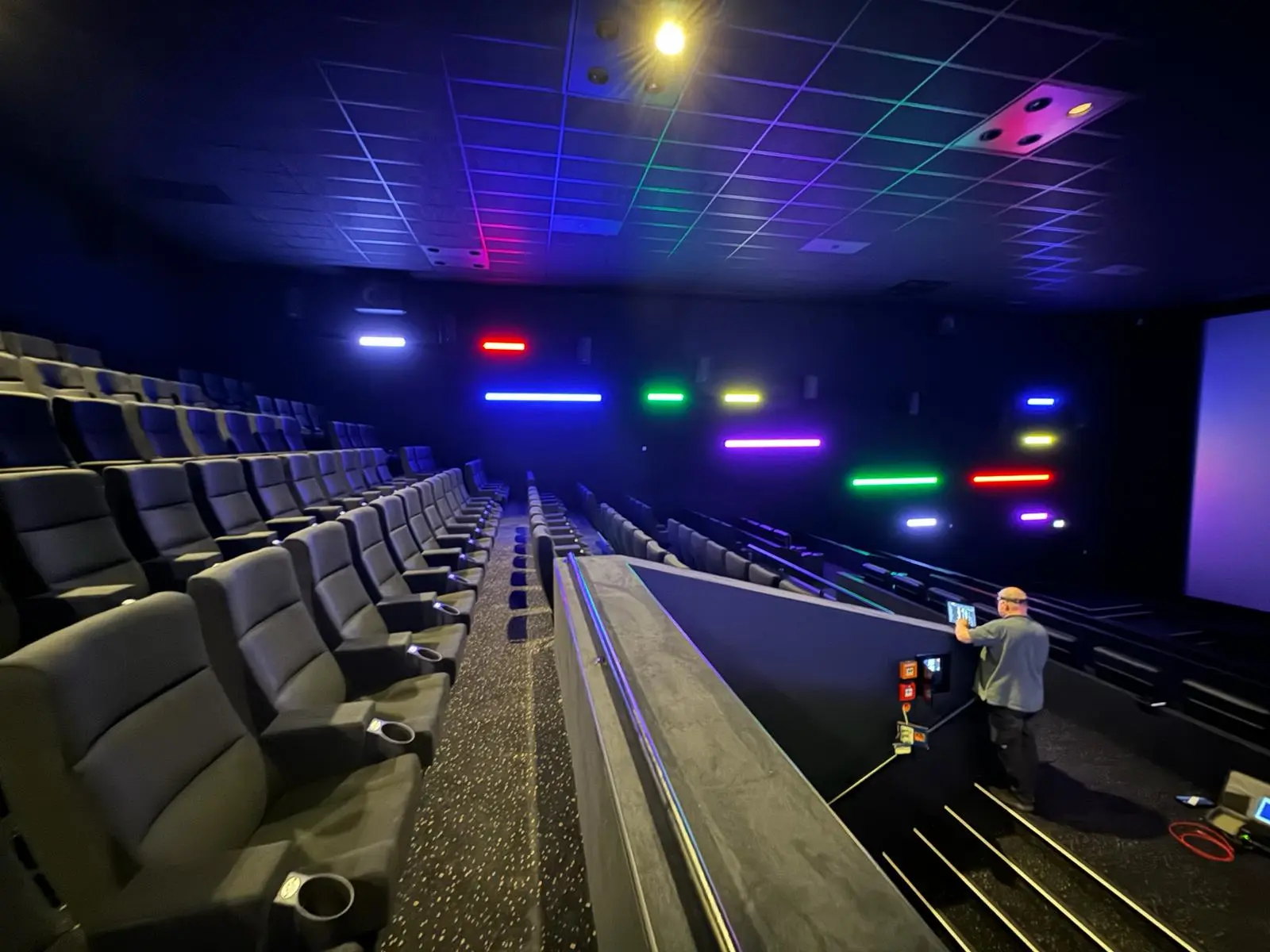
Cinema Seating Within the European Context
Cinema seating in Europe is shaped by a particular set of expectations. Cinemas are not treated as temporary entertainment spaces, but as cultural venues that are revisited, remembered, and often embedded in daily urban life. Seating must therefore support not only comfort, but continuity.
A cinema seat in this context is not designed to impress on first contact. It is designed to remain dependable across thousands of screenings, different audiences, and many years of use.
European Cinema as a Repeated Experience
European cinemas often serve the same audience repeatedly. Viewers return week after week, sometimes to the same seat. This repetition changes how seating is evaluated.
Cinema seating in this environment must
feel familiar rather than surprising
remain consistent from screening to screening
avoid changes in behavior over time
Consistency builds trust between the venue and its audience.
Attention Comes Before Comfort
In European cinema culture, watching a film is an attentive act. Excessive comfort that encourages slouching or disengagement works against this tradition.
Effective cinema seating balances
supportive posture
controlled softness
comfort that sustains focus
The seat supports the viewer without becoming the center of attention.
Long Screenings as a Design Baseline
European cinemas regularly host long films, festivals, and special screenings. Seating must perform well beyond standard viewing times.
Design decisions reflect this reality through
pressure distribution over long sessions
stable support for back and shoulders
seating geometry that reduces fatigue
Comfort is measured at the end of the film, not the beginning.
Visual Calm Inside the Auditorium
Cinema seating occupies most of the visual field before the lights dim. In European theatres, visual restraint is often preferred over expression.
Seating contributes to this calm through
repetition rather than variation
balanced proportions across rows
forms that do not compete with the screen
The auditorium feels composed even before the film begins.
Silence as a Cultural Expectation
In a quiet cinema, any sound from seating is immediately noticeable. European audiences are particularly sensitive to disruption during screenings.
Cinema seating is therefore expected to
operate silently during movement
remain stable under shifting weight
avoid developing noise over time
Silence is not an added feature. It is a cultural requirement.
Durability for Continuous Public Use
Cinema seats in Europe are public seating elements. They are used intensively by different people every day.
Long term performance depends on
structural stability under repeated load
resistance to loosening and deformation
materials that age evenly
Wear is accepted. Failure is not.
Seating as Part of the Auditorium System
Cinema seating does not exist independently. It works together with acoustics, lighting, and sightlines.
Well planned seating supports
clear circulation within rows
consistent viewing angles
unobstructed movement during entry and exit
The seat becomes part of the auditorium’s infrastructure.
Operational Reality Between Screenings
European cinemas often operate with tight schedules. Seating must support quick cleaning and preparation between screenings.
Practical seating design allows
easy access for maintenance
minimal adjustment requirements
stable alignment without constant correction
Operational simplicity keeps the cinema running smoothly.
Familiarity Over Novelty
European cinema seating rarely aims for novelty. Instead, it values reliability and familiarity.
A seat that behaves the same way every time
reduces distraction
supports immersion
becomes part of the expected experience
The audience stops noticing the seat and starts trusting it.
When the Seat Becomes Part of the Film Experience
The most successful cinema seating is invisible. Viewers remember the story, the sound, and the image, not the chair.
When cinema seating performs correctly
time passes without discomfort
attention remains on the screen
the auditorium feels stable and calm
The seat disappears into the experience.
Seating That Supports European Cinema Culture
Cinema seating in Europe reflects a broader cultural approach. It values continuity over spectacle, balance over excess, and long term performance over short term impact.
By supporting attention, remaining silent, and enduring repeated use, cinema seating becomes a quiet partner in the cinematic experience. It holds the audience steady while stories unfold on screen, night after night, without ever asking to be noticed.
Created By : Monseat